

The Impact of High Mast Lighting on Road Safety & Urban Infrastructure
Introduction
As urbanization accelerates and road networks expand, ensuring proper illumination for highways, intersections, and industrial zones has become a top priority for governments and infrastructure planners. High mast lighting is a critical solution that enhances visibility, safety, and operational efficiency in large outdoor spaces. These towering lights offer uniform illumination, reduce blind spots, and minimize accident risks, making them an integral part of modern urban infrastructure.
This blog explores the importance of high mast lighting, its role in road safety, advantages in urban infrastructure, and future trends shaping its evolution.
1. Importance of High Mast Lighting in Large-Scale Infrastructure
1.1 Why High Mast Lighting is Essential for Cities & Highways
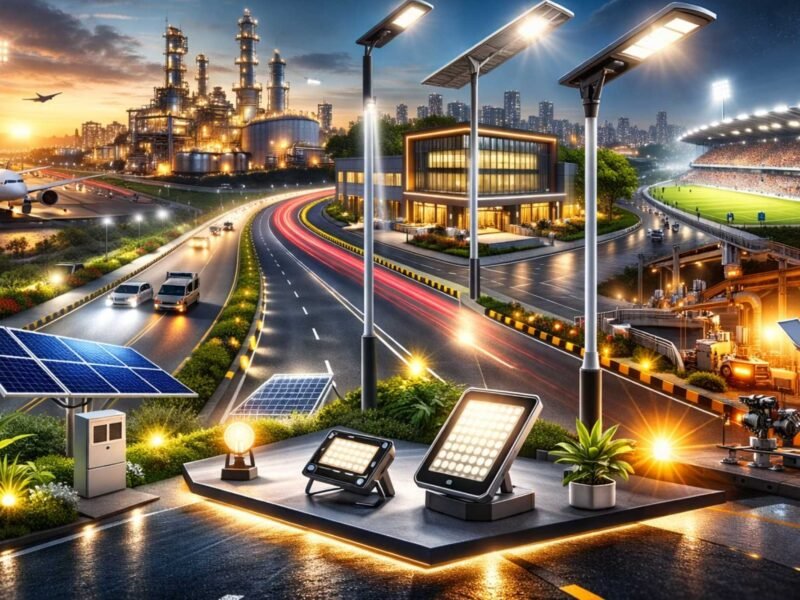
High mast lighting is widely used for illuminating vast areas such as:
- Highways and Expressways – Preventing accidents and ensuring driver safety.
- Intersections and Roundabouts – Improving visibility for traffic movement.
- Ports and Logistics Parks – Enhancing operational efficiency at night.
- Airports and Rail Yards – Enabling 24/7 functionality.
- Industrial and Commercial Complexes – Reducing workplace hazards.
The strategic placement of high mast lights ensures even light distribution, eliminating dark spots that can lead to accidents or security risks.
1.2 High Mast vs. Traditional Street Lighting: Key Differences
Unlike conventional pole-mounted streetlights, high mast lighting:
- Covers a larger area with fewer installations.
- Reduces energy consumption by optimizing placement and efficiency.
- Minimizes maintenance costs with durable, long-lasting fixtures.
- Enhances safety by providing 360-degree illumination.
2. How High Mast Lighting Improves Road Safety
2.1 Reducing Accidents & Enhancing Driver Visibility
Proper lighting significantly reduces the risk of traffic accidents by:
- Eliminating glare and dark patches on highways.
- Providing consistent illumination for road signs and markings.
- Enhancing visibility for pedestrians and cyclists in low-light conditions.
- Reducing driver fatigue by ensuring well-lit travel paths.
2.2 Impact on Emergency Response & Traffic Flow
High mast lighting plays a vital role in emergency response efficiency by:
- Helping traffic police and rescue teams operate effectively at night.
- Reducing accident response times by improving scene visibility.
- Enhancing traffic surveillance camera footage for better law enforcement.
3. Advantages of High Mast Lighting in Urban Infrastructure
3.1 Cost & Energy Efficiency of LED-Based High Mast Solutions
Modern high mast lighting integrates LED technology for:
- Up to 60% lower energy consumption compared to conventional HID lamps.
- Longer lifespan reducing frequent replacements and maintenance costs.
- Dimmable and sensor-based lighting for optimized energy use.
- Integration with solar power systems for enhanced sustainability.
3.2 Durability & Weather Resistance for Harsh Environments
High mast lights are designed to withstand extreme weather conditions, including:
- Heavy rainfall, storms, and strong winds.
- Dust, pollution, and corrosion resistance for coastal and industrial areas.
- Temperature fluctuations in extreme hot and cold regions.
4. Future Trends in High Mast Lighting Technology
4.1 Smart & Adaptive Lighting Solutions
With advancements in IoT and AI, high mast lighting is evolving into smart lighting systems that:
- Automatically adjust brightness based on traffic flow.
- Use motion sensors to activate lighting in low-traffic areas.
- Integrate with city-wide smart infrastructure for optimized energy use.
4.2 Solar-Powered High Mast Lighting for Sustainable Cities
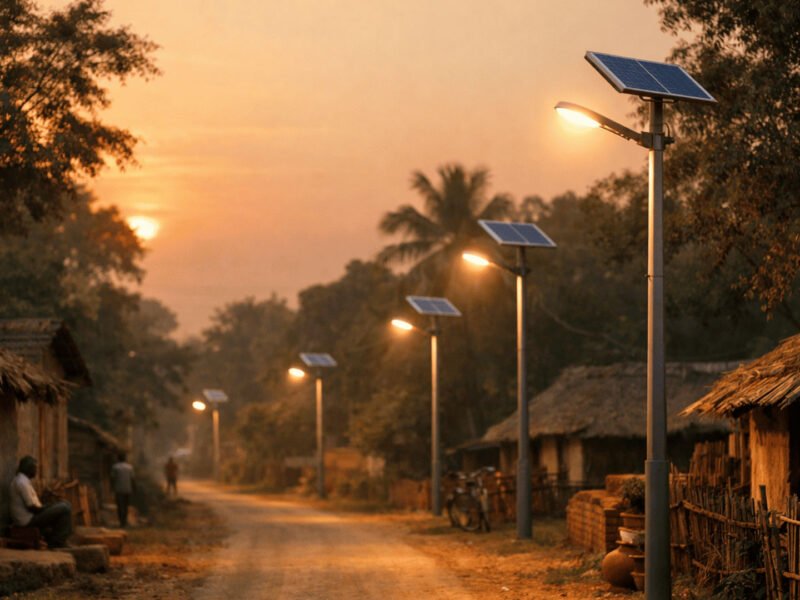
The push for carbon-neutral urban development is driving the adoption of solar-powered high mast lighting, which:
- Eliminates grid dependency, making it ideal for remote areas.
- Reduces electricity costs for municipalities and urban planners.
- Enhances resilience in disaster-prone regions with backup power solutions.
Conclusion
High mast lighting is a critical component of modern road safety and urban infrastructure. By offering better visibility, reduced accidents, lower energy costs, and enhanced security, these lighting solutions contribute to smarter, safer, and more efficient cities. As technology advances, the integration of LEDs, AI, and solar power will further revolutionize high mast lighting, making cities more sustainable and future-ready.