
Lighting has evolved into a strategic infrastructure decision rather than a simple utility purchase. For businesses, public authorities, and developers across India, lighting choices influence operating costs, system reliability, safety outcomes, and environmental performance. Whether it is an industrial facility, highway corridor, airport, or commercial complex, the quality and efficiency of lighting systems affect both short-term budgets and long-term sustainability goals.
Organizations today face rising electricity costs, increasing compliance expectations, and growing pressure to implement smarter infrastructure. These realities are pushing decision-makers to look beyond traditional fixtures toward integrated lighting ecosystems that deliver measurable value.
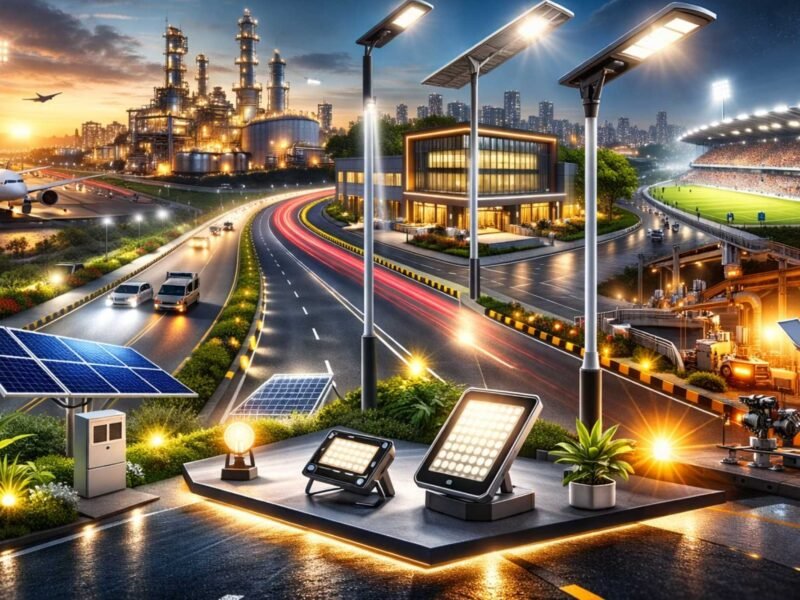
Nessa has established its presence among competitive LED light manufacturers in India, providing solutions across sectors including aviation, mining, ports, highways, refineries, solar parks, and rural infrastructure. Its portfolio spans Industrial LED Lighting, Solar Smart Street Light, Commercial Indoor Lighting, and specialized Airport Lighting Solutions, allowing buyers to address multiple operational needs through one provider.
This article explores ten practical advantages of adopting Nessa lighting solutions, focusing on measurable outcomes and decision-making relevance rather than marketing claims.
1. Improved Energy Efficiency and Cost Control
Energy Efficient LED Lighting reduces electricity consumption and long-term operational expenses when compared to legacy lighting systems.
Energy use remains one of the most significant ongoing costs for industrial and commercial facilities. Conventional lighting often produces unnecessary heat and consumes excess power, leading to inefficient resource use. Nessa’s lighting systems are designed to optimize lumens-per-watt performance, improve thermal handling, and support controlled dimming where applicable.
Facilities adopting efficient LED systems commonly observe reduced energy bills and improved power distribution stability. For example, logistics centers and petrol pumps operating continuously benefit from predictable consumption patterns, while commercial buildings gain greater control over energy usage during low-demand periods. These outcomes are especially relevant for organizations evaluating LED manufacturing companies in India where efficiency metrics influence procurement decisions.
2. Reliable Solar Deployment in Remote Locations
Smart solar lights enable lighting infrastructure where grid connectivity is limited or unreliable.
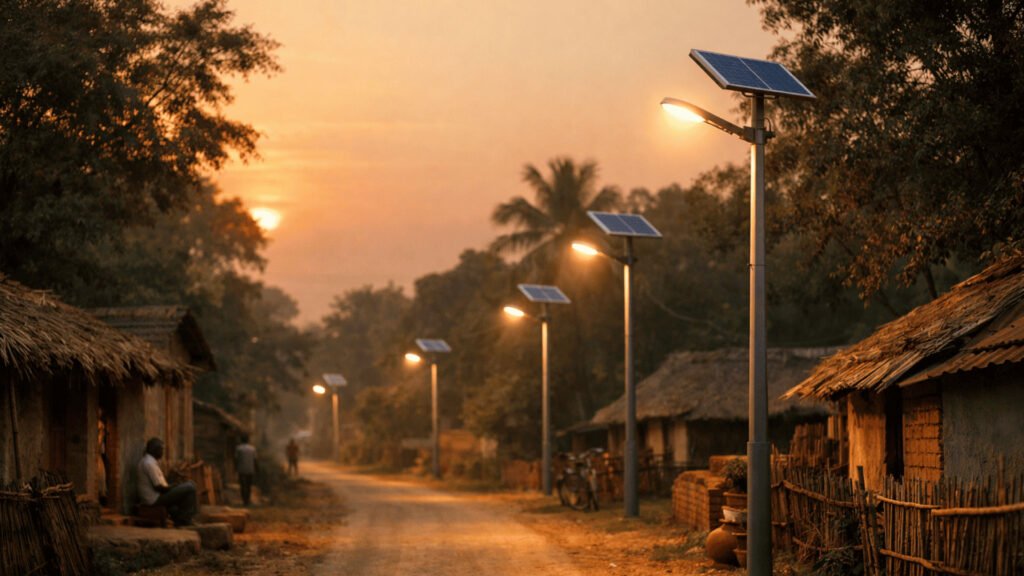
Infrastructure expansion across India frequently reaches locations where dependable power supply is not guaranteed. Solar-based lighting solutions offer practical independence from grid limitations and simplify installation requirements. Nessa’s range, including Semi Integrated Street Light, Solar Smart Street Light, and Village solar street light options, supports deployment in rural and environmentally challenging regions.
Municipal bodies and infrastructure developers benefit from reduced trenching requirements, faster installation timelines, and minimal electricity expenditure after deployment. In forest corridors, border regions, or remote highways, these systems provide functional illumination without increasing grid dependency. This capability reinforces the value of selecting an experienced Solar Street Light Manufacturer for regional development initiatives.
3. Operational Visibility Through Remote Monitoring
RMS remote monitoring systems provide centralized insight into lighting network performance.
Large lighting installations can be difficult to manage without automation. Integrated monitoring allows operators to track system status, detect faults, and analyze energy usage remotely. Instead of relying on manual inspections, administrators gain real-time oversight of distributed assets.
For highway authorities or airport operators, this capability reduces response time when failures occur and allows adjustments to be implemented remotely. Over time, such visibility improves maintenance planning and resource allocation. As digital infrastructure adoption grows, these capabilities are becoming a standard expectation from modern Smart light manufacturers.
4. Suitability for Industrial and Hazardous Environments
Industrial LED Lighting designed for demanding conditions enhances safety and operational continuity.
Facilities operating in heavy industry require lighting systems capable of withstanding environmental stress. Nessa provides solutions suited to mines, refineries, thermal plants, and hazardous zones where durability is essential. These environments demand resistance to dust, temperature fluctuations, and corrosion, as well as compliance with safety requirements.
Reliable illumination contributes to worker safety, reduces maintenance disruptions, and supports regulatory compliance. When organizations evaluate lighting vendors, proven capability within challenging industrial contexts often becomes a decisive factor.
5. Infrastructure and Transport Application Expertise
Airport Lighting Solutions and roadway lighting systems support safety and performance in transportation environments.
Transport infrastructure depends on consistent, precision-oriented lighting. Nessa’s product range addresses aviation requirements through LED Runway Lights and airport LED lights, ensuring guidance visibility and operational dependability. Highway lighting installations similarly improve driver awareness and accident reduction.
The technical and reliability expectations associated with transport infrastructure highlight the importance of selecting experienced Street Light manufacturers capable of delivering consistent performance across large-scale deployments.
6. Enhanced Commercial and Architectural Outcomes
Architectural LED Lighting contributes to visual appeal while maintaining efficiency standards.
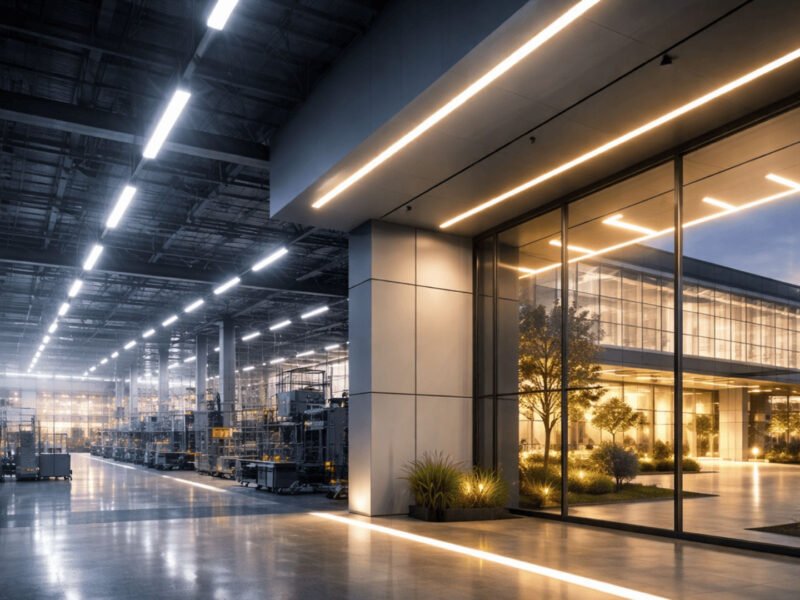
Lighting influences how commercial environments are perceived and experienced. From stadiums and office complexes to logistics hubs and ports, well-planned lighting enhances usability while reinforcing brand perception. Nessa’s Architectural LED Lighting and Commercial Indoor Lighting solutions enable organizations to achieve functional illumination alongside environmental quality improvements.
Rather than focusing purely on brightness, these solutions address ambience, spatial clarity, and user experience — considerations that increasingly shape commercial infrastructure planning.
7. Lower Maintenance Burden Over Time
LED systems with extended lifespan reduce servicing frequency and operational interruptions.
Maintenance logistics significantly affect lifecycle cost calculations. Lighting installed in tunnels, high masts, or port infrastructure is particularly difficult and expensive to service frequently. Durable systems reduce the need for replacement and lower labor requirements.
Organizations evaluating LED manufacturers India increasingly assess durability and warranty support alongside purchase price. Lower servicing needs translate directly into predictable long-term budgeting and operational stability.
8. Multi-Sector Deployment Capability
Versatile solution portfolios simplify procurement and system integration.
Working with vendors capable of supporting multiple application types reduces coordination complexity. Nessa’s involvement across airports, mines, highways, refineries, and solar parks allows organizations to standardize product sourcing and technical support structures.
This breadth is particularly valuable for developers managing multi-phase or multi-location projects, where vendor consistency reduces operational fragmentation.
9. Alignment with Environmental Responsibility Goals
LED and solar lighting adoption supports sustainability commitments and regulatory expectations.
Environmental responsibility has become a measurable performance indicator for both private and public organizations. Reduced energy consumption and solar integration contribute to lower emissions and improved sustainability reporting outcomes.
Municipal and infrastructure initiatives implementing Rural Lighting Solutions also generate social impact through improved safety and accessibility while supporting broader environmental objectives.
10. Compatibility with Smart Infrastructure Evolution
Smart lighting systems support future digital infrastructure integration.
India’s transition toward connected infrastructure requires lighting systems capable of adaptation. Data-enabled lighting networks contribute to automated control, usage analytics, and expansion planning. Deployments incorporating Solar Smart Street Light technology demonstrate how lighting assets can integrate into broader smart city frameworks.
Investing in adaptable systems ensures that installations remain relevant as infrastructure digitization progresses.
Decision Considerations for Buyers
Organizations assessing lighting investments should evaluate project environment conditions, power availability, monitoring requirements, lifecycle cost priorities, and scalability needs. A structured review of these factors helps determine whether specialized manufacturers offer advantages over general suppliers.
For project planning, technical consultation, or solution evaluation, organizations can Contact Us to discuss requirements aligned with operational goals.
Frequently Asked Questions
What makes LED lighting better than traditional lighting?
LED lighting consumes less energy, operates longer, produces lower heat output, and supports advanced control features compared to conventional systems.
Why are solar street lights important in India?
They enable lighting deployment in regions with limited grid reliability while reducing operating costs and supporting sustainable infrastructure growth.
How do RMS remote monitoring systems work?
They collect performance data from lighting networks and allow centralized monitoring, diagnostics, and operational management.
What industries benefit from industrial LED lighting?
Mining, manufacturing, energy production, logistics, and refinery sectors benefit from lighting designed for demanding environments.
What should buyers evaluate in LED manufacturers in India?
Efficiency performance, product durability, monitoring capability, technical support, and industry-specific experience should all be considered.
Lighting as a Strategic Investment — Not Just a Utility
Lighting procurement now affects operational efficiency, cost predictability, and infrastructure readiness. Choosing capable providers ensures long-term reliability and adaptability. Nessa’s solutions address energy optimization, solar deployment, industrial durability, and multi-sector applicability, supporting organizations seeking practical infrastructure upgrades.
For decision-makers planning modernization or expansion, treating lighting as a strategic investment rather than a basic utility purchase leads to stronger operational outcomes. Engaging early consultation can help align product selection with project requirements, and organizations are encouraged to Contact Us for further discussion.