
Across India, electricity is more than convenience — it’s opportunity.
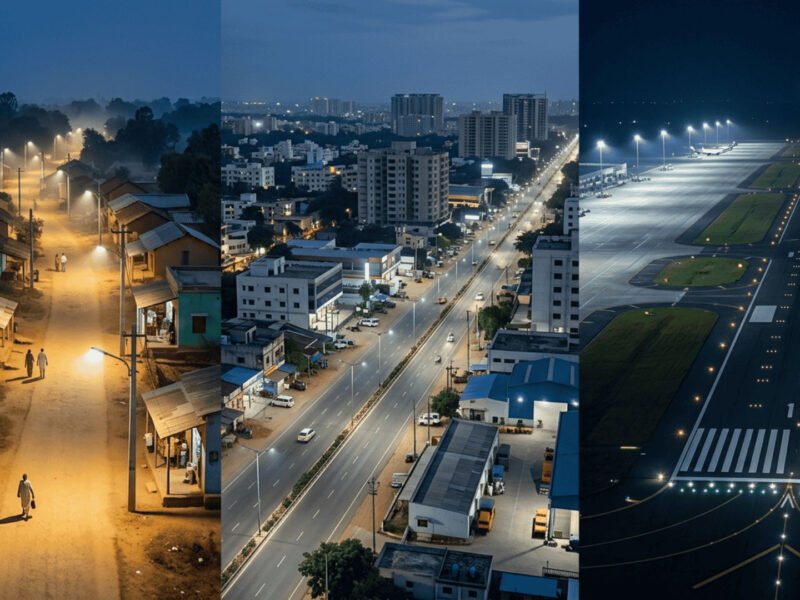
In urban cities, a streetlight turning on automatically at dusk may feel routine.
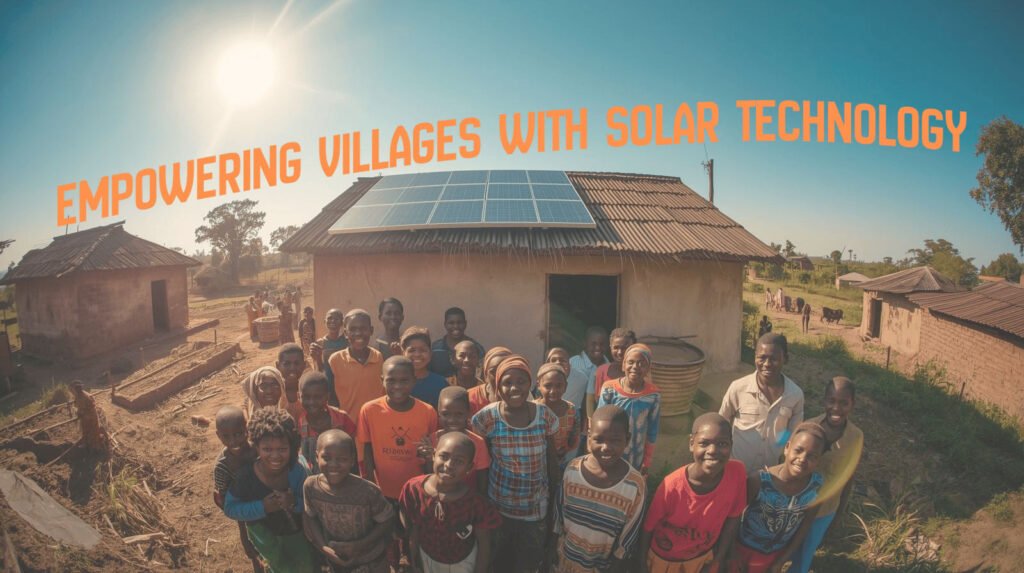
But in rural villages, that same light transforms lives.
Children get safe roads to walk. Farmers can work early mornings. Local shops stay open longer.
Life moves forward. All thanks to Rural Lighting Solutions powered by solar technology.
In recent years, solar lighting has become one of the fastest-growing sectors of infrastructure development. With the rise of Smart Solar Lights, Semi Integrated Street Lights, and Energy Efficient LED Lighting, rural India is transitioning into an empowered, brighter future.
Why Solar Lighting Works Best for Rural Areas
Many villages face frequent power cuts, or sometimes there is no power grid at all. Laying electric poles, cables, and transformers is costly and time-consuming.
Solar lighting removes all these complications.
Benefits of Rural Solar Lighting Solutions
When it comes to rural development, solar isn’t just an energy solution — it is a social solution.
Semi Integrated Street Lights: The Most Preferred Rural Lighting Choice
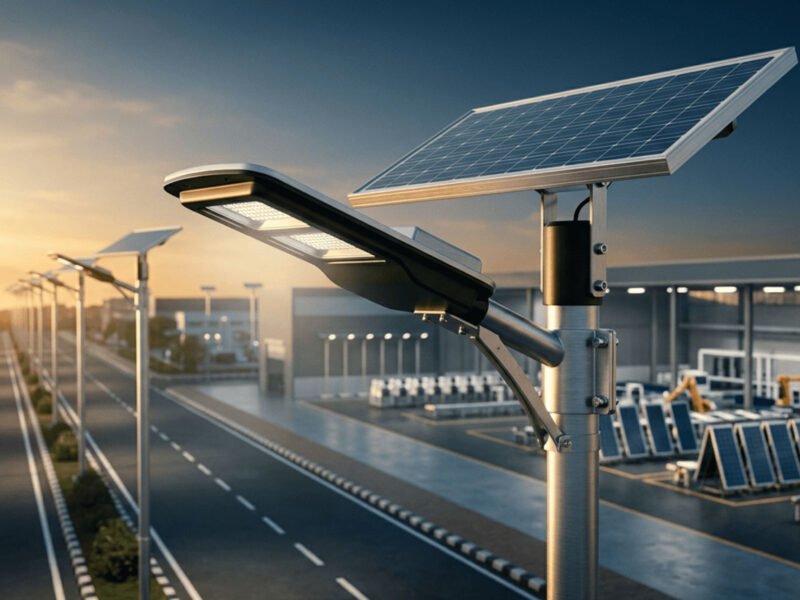
One of the most installed systems in villages is the Semi Integrated Street Light.
How it Works:
-
Solar panel is mounted separately on a pole
-
Controller, battery, and LED light are integrated into one fixture
-
Light automatically switches on at night and off during the day
Why rural areas prefer Semi Integrated Street Light:
-
Longer backup (Up to 2–3 nights)
-
Better positioning of the solar panel for maximum sunlight
-
More durable battery and higher efficiency
Semi integrated models are especially useful for:
-
Rural streets
-
Community centres
-
Panchayat buildings
-
School premises
-
Farm roads
These lights are replacing traditional sodium streetlights rapidly due to their brightness, reliability, and energy efficiency.
Smart Solar Lights With Remote Monitoring (RMS): Light That Thinks for You
Modern technology has upgraded solar streetlights from just lighting to smart lighting.
Thanks to RMS Remote Monitoring Systems, authorities can check:
-
Light working status
-
Battery level
-
Solar charging status
-
Fault alerts
And that too — remotely from their laptop or mobile app.
Why RMS-powered Smart Solar Lights are game-changers:
-
Saves maintenance cost
-
Immediate fault tracking
-
Prevents sudden blackout issues
-
Avoids manual night patrolling to check lights
For Panchayats and development authorities, RMS is not a luxury.
It’s a necessity that ensures every streetlight works efficiently throughout the year.
The Role of Energy Efficient LED Lighting
Lighting is one of the highest contributors to rural electricity consumption. Replacing fluorescent and halogen lights with Energy Efficient LED Lighting reduces power consumption by up to 75%.
Advantages:
-
Uses less power
-
Brighter illumination
-
Longer lifespan (up to 50,000 hours)
-
No heat emission
LEDs combined with solar panels give the highest efficiency for rural infrastructure projects.
The Importance of Choosing the Right Solar Street Light Manufacturer
Solar projects fail not because solar is ineffective — but because the wrong manufacturer is chosen.
A good Solar Street Light Manufacturer offers:
-
Tested battery, panel, and LED quality
-
High-lumen output for bright lighting
-
After-sales service and spare parts availability
-
RMS remote monitoring as an option
Cheaper products often use local low-quality batteries which die in 6 months.
A reliable lighting partner ensures:
-
Faster installation
-
Lower maintenance cost
-
Longer product lifespan
Solar isn’t an expense — it’s an investment in rural progress.
Real Impact: How Rural Lighting Changes Lives
Here’s what rural communities experience after switching to solar street lighting…
-
Safety for Women and Children
Pathways and bus stops stay visible at night, reducing the risk of accidents and harassment.
-
Extended Working Hours
Small shops and local markets can operate till late evening, increasing income opportunities.
-
Improvement in Education
Children study under village solar streetlights when power cuts occur at home — a common rural reality.
-
Boost to Tourism and Local Economy
Villages with better infrastructure attract government grants and developmental projects.
Lighting doesn’t just brighten roads — it brightens lives.
Solar Lighting = Sustainability + Savings
Think about this:
A typical solar street light runs for 10+ years with minimal maintenance.
That means 10 years of:
-
Zero electricity bills
-
Zero dependency on power grid
-
Zero carbon emissions
If one rural village installs 100 solar lights,
it saves ₹25,00,000 – ₹35,00,000 in electricity and maintenance over 10 years.
Conclusion
Rural India doesn’t only need technology.
It needs technology that is simple, affordable, and sustainable.
With powerful innovations like:
-
Semi Integrated Street Lights
-
Energy Efficient LED Lighting
-
RMS Remote Monitoring Systems
Villages are getting the infrastructure they deserve.
Solar lighting isn’t just a solution.
It’s a promise of progress.
FAQs
1. What is the best lighting solution for rural areas?
Solar streetlights, especially Semi Integrated Street Lights, are best because they don’t need power supply or wiring.
2. How long do solar street lights last?
Good-quality lights last 8–12 years, depending on battery and LED quality.
3. Do solar street lights work without sunlight?
Yes. They store power in the battery and can offer 2–3 days backup.
4. What is a Smart Solar Light?
A Smart Solar Light has a controller and RMS remote monitoring system to track performance and faults remotely.
5. Are solar street lights expensive?
Not at all. They are one-time investments with zero electricity bills.