
If you have ever travelled through a rural road in India after sunset, you may have noticed how everything slows down the moment daylight fades. Shops close early, farms go quiet, and even short-distance movement becomes risky.
But in the last few years, something has been changing.
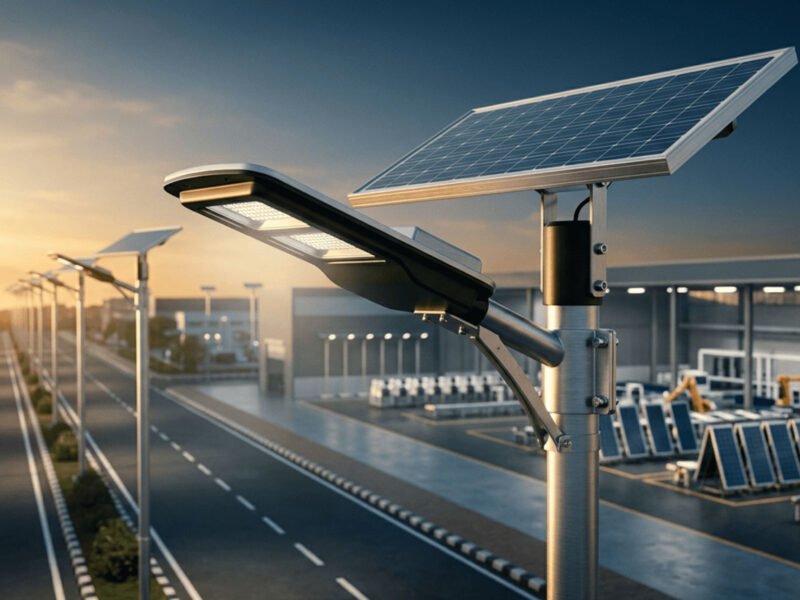
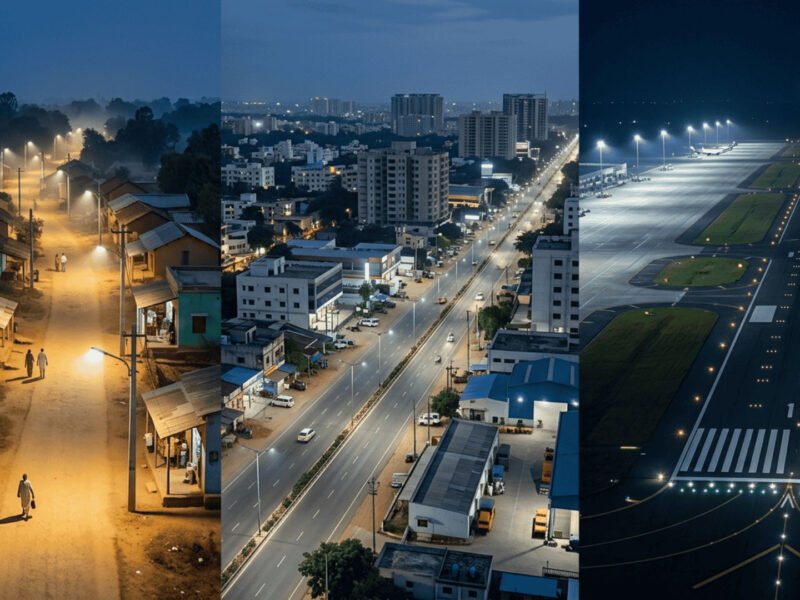
Small villages in Rajasthan, hilly settlements in Uttarakhand, tribal pockets near Chhota Udepur in Gujarat, and remote habitations in the Northeast are glowing brighter at night. The reason is simple — modern rural lighting solutions, mainly solar street lights for rural areas, are becoming more common, affordable, and reliable.
Lighting, something we take for granted in cities, is becoming a powerful tool for economic growth, education, safety, agriculture, tourism, and night-time livelihood in rural India.
In this blog, we will break down how these solutions — especially solar LED lights for villages and solar lighting for remote areas — impact real lives and local economies.
The examples shared here reflect real situations across India, and the ideas come from how rural communities actually work, not from theory.
Why Lighting Still Matters So Much in Rural India
Many Indian villages still experience:
-
Limited grid connectivity
-
Frequent power cuts
-
High cost of electricity
-
Long distances between homes, farms, and markets
-
Poor road infrastructure
This makes the simplest activities — walking, farming, travelling, studying — harder and riskier at night.
Light fixes these problems faster than most government schemes because:
-
It’s visible immediately.
-
People experience the benefits from day one.
-
Solar lights work even where electricity cannot reach reliably.
This is where rural area lighting solutions like solar street lights, solar outdoor poles, and standalone solar LED systems play a major role.
How Lighting Directly Impacts Agriculture
1. Farmers Can Work Longer Hours
Agriculture does not follow office timings.
Farmers often need to:
-
water fields at night
-
guard crops from animals
-
transport vegetables early morning
-
check irrigation pumps after sunset
In many regions like Saurashtra, Vidarbha, and Bundelkhand, farmers prefer night irrigation because electricity is cheaper or more available at night.
But without proper lights, movement becomes unsafe.
Solar street lights for rural areas solve this.
Farmers can now:
-
access borewell areas safely
-
walk through farms without fear
-
monitor crops at night
-
load tractors or tempos even after sunset
A farmer from Anand district recently said,
“Pehla andhere ke saath naamumkin tha. Ab toh raat me bhi kaam ho jata hai bina darr ke.”
This single change increases farm productivity, safety, and confidence.
2. Reduced Crop Loss from Wild Animals
In states like Gujarat, MP, Jharkhand, and Odisha, farmers regularly face issues from:
-
wild boars
-
monkeys
-
blue bulls (nilgai)
-
stray cattle
When farm perimeters are illuminated using solar LED lights for villages, animals avoid the area.
This reduces the loss of crops significantly.
3. Better Access to Water Sources
Many rural borewells and water tanks are located:
-
deep inside fields
-
far from the main road
-
near forest boundaries
These places are unsafe at night.
Solar lighting makes basic tasks like water checking, pump maintenance, and pipe adjustments much easier.
4. Easier Handling, Sorting & Packaging at Night
During harvesting seasons, farmers often work late.
With proper lighting:
-
crop sorting improves
-
wastage reduces
-
labour comfort increases
-
transportation becomes faster
Better night productivity means better income.
How Lighting Supports Rural Tourism
Rural tourism in India is growing faster than ever.
People now search for places that offer:
-
peace
-
nature
-
greenery
-
cultural experiences
-
homestays
-
farm stays
From Kutch’s small handicraft villages to Sikkim’s eco-tourism hubs, tourists expect safe and walkable environments at night.
1. Better Roads = Better Experience
Villages with solar lighting for remote areas instantly feel more welcoming.
Visitors can walk safely, click photos, and explore local markets even after dark.
Tourists often review places based on:
-
night ambiance
-
safety
-
lighting near homestays
Good lighting helps bring repeat visitors.
2. More Business for Local Shops
Shops, tea stalls, street-food vendors, and craft sellers stay open longer when streets are well lit.
In Kutch, many artisans report that sales increased after solar street lights were installed because tourists stay out longer instead of rushing indoors after sunset.
3. Improved Connectivity for Travellers
Many rural homestays or tourist spots are located:
-
near hills
-
inside forests
-
beside lakes
-
in tribal belts
Lighting along pathways, parking areas, and common zones improves safety, visibility, and the overall experience.
Rural tourism only works when people feel safe after dark, and lighting solves that perfectly.
How Rural Lighting Boosts Night-time Productivity
Night-time productivity matters in rural areas more than cities because many occupations depend on cooler hours.
1. Cottage Industries Work Longer
Activities like:
-
embroidery
-
pottery
-
weaving
-
bamboo craft
-
papad making
-
pickle and snack preparation
all require good lighting.
Women in self-help groups often work at night after finishing daily chores.
Solar-based room lights make these activities easier and more comfortable.
2. Market Areas Become More Active
Village markets — haats, mandis, seasonal bazaars — often shut early due to poor lighting.
After installing solar lighting for remote areas:
-
vendors sell longer
-
buyers feel safer
-
transportation improves
Local economies become active for a longer part of the day.
3. Healthcare Services Improve
Primary health centers, sub-centers, and emergency services work better with:
-
solar flood lights
-
outdoor pathway lights
-
backup solar lighting systems
Ambulances or emergency bikes can navigate easily at night.
This directly impacts childbirth cases, accidents, and urgent care situations.
4. Students Study Better
Students in rural homes often depend on dim CFL bulbs or kerosene lamps in areas with low grid supply.
Solar home lighting kits provide:
-
brighter light
-
safer environment
-
longer study hours
-
reduced eye strain
Education improves when lighting is reliable.
How Companies Like Nessa Support Rural Lighting Across India
Nessa, headquartered in Ahmedabad, has gradually built a strong reputation for delivering solar-powered lighting made specifically for rural and remote regions. The company focuses on creating products that last long, perform efficiently, and require very little maintenance, qualities that matter deeply in areas where support and resources are limited. Because of this practical, ground-level understanding, Nessa has become a reliable partner for panchayats, NGOs, local authorities, and private developers. Their presence across India continues to help communities adopt lighting solutions that genuinely work in the field, not just on paper.